7 2026 Football Today Mistakes Bettors Make
Stadium View helps 2026 FIFA World Cup fans interpret football today schedules, live fixtures, team tactics, player stats, and betting context without treating every match list as a prediction engine....
7 2026 Football Today Mistakes Bettors Make
Stadium View helps 2026 FIFA World Cup fans interpret football today schedules, live fixtures, team tactics, player stats, and betting context without treating every match list as a prediction engine. The football today market spans FIFA World Cup matches, college football schedules on ESPN, OneFootball live match hubs, NBC broadcasts, CBSSN games, and odds such as TCU -6.5 or USC -35.5. The common mistake is assuming a 12:00 AM kickoff, a TV listing, or a favorite’s spread tells the whole story. It does not. In 2026, date navigation, time zones, match type filters, conference schedules, weather, venue, and lineup uncertainty matter more than a headline fixture list. If you follow football today for entertainment or betting, use schedules as a starting point, verify local kickoff time, compare markets, and read tactical context before making any decision.
Imagine checking football today, seeing a full board of matches, and believing you have found clarity. That is exactly where most fans go wrong. Match pages from OneFootball, ESPN, and official FIFA channels are useful, but they are not built to tell you which wager has value, which team is rotating, or whether a 3:00 AM listing reflects your local time, broadcast time, or event time. Stadium View’s view is simple: today’s football schedule is raw material, not analysis.
If you want a better process, start by separating information from interpretation. A date selector, “live now” filter, TV column, ticket price, or odds row can help you organize the day, but none of those features explains motivation, squad depth, travel fatigue, weather, or tournament incentives. For FIFA World Cup 2026, hosted across the United States, Canada, and Mexico, that distinction becomes even more important because travel distances, climate differences, and kickoff windows will vary dramatically across venues.
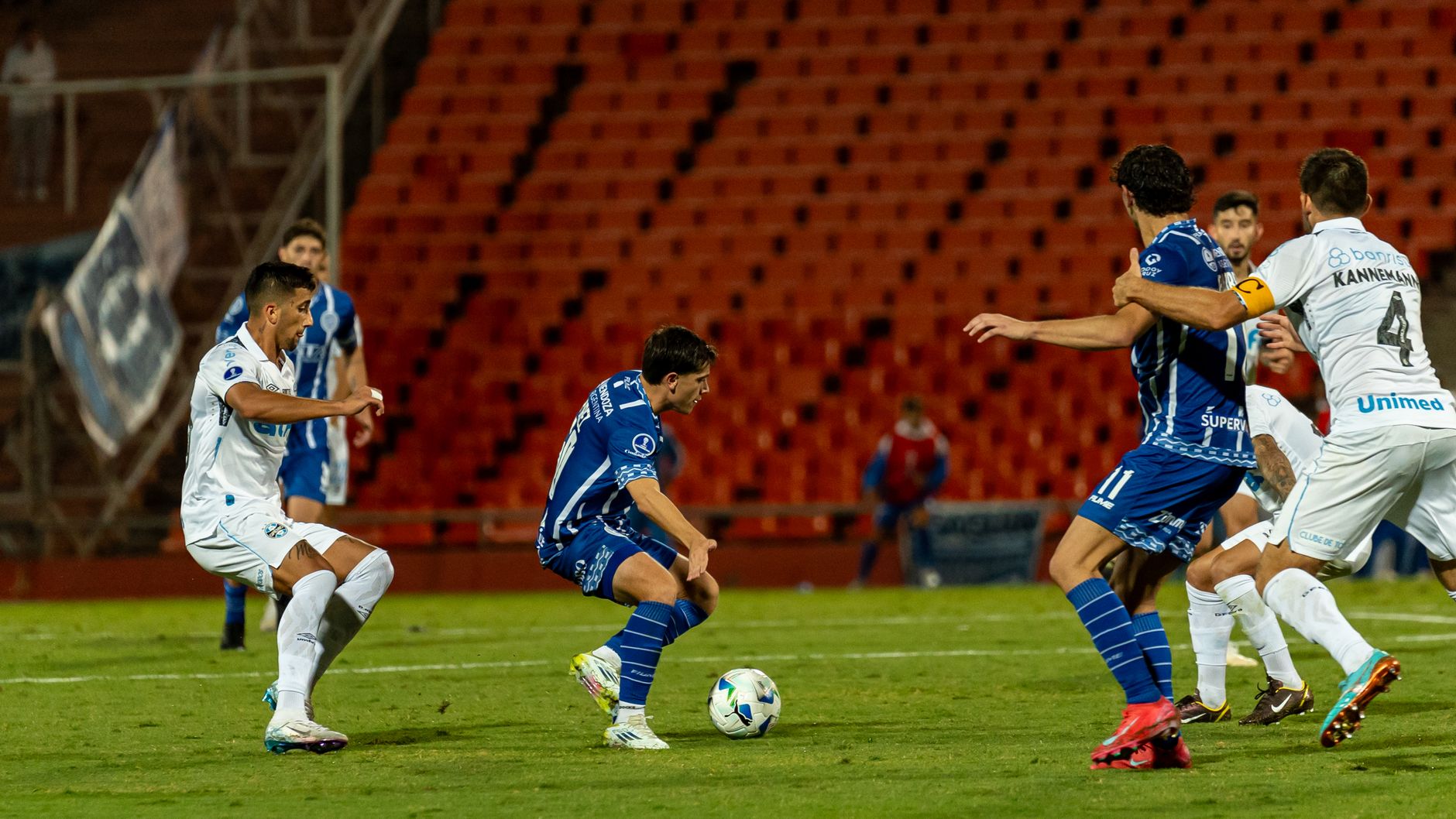
Photo by Franco Monsalvo on Pexels
For sharper daily football coverage, explore Stadium View’s World Cup-focused analysis before treating a fixture list as a betting signal.
If you check football today for live matches: do you verify the clock?
Yes, always verify the clock first because football today pages often display fixtures by date, region, or platform settings. A Saturday match, a 12:00 AM kickoff, or a “live now” label can mean different things depending on your location, broadcaster, and time zone.
Most articles tell you to “check today’s matches” as if the schedule itself is the answer. That advice is too shallow. OneFootball’s match hub, for example, is useful because it lets users move between yesterday, today, tomorrow, and future calendar dates while filtering for watchable or live matches. ESPN’s college football schedule adds another layer by showing week ranges, conference filters, TV networks, venues, weather, ticket information, and odds. Those are strong tools, but only if you understand what each field actually means.
The first practical rule is to confirm three clocks: platform time, local venue time, and your viewing time. A college football game listed at 3:00 AM with NBC attached, such as San José State at USC in the 2026 schedule sample, may not feel like “today” for every reader. Likewise, North Carolina versus TCU at Aviva Stadium in Dublin introduces another time-zone layer. For World Cup 2026, matches across Los Angeles, New York, Toronto, Mexico City, and Vancouver will make this even more relevant. To go deeper, see our [Internal Link: football schedule time-zone checklist].
If you follow football today for betting: do you separate odds from value?
Yes, odds are prices, not predictions. A line such as TCU -6.5 or USC -35.5 shows market expectation, but value depends on whether your assessment is stronger than the market after accounting for injuries, tactics, venue, weather, and motivation.
This is where a skeptical approach pays. Many bettors treat the favorite as the “smart” side because sportsbooks make that team look dominant. But a -35.5 spread, such as USC over San José State in ESPN’s 2026 college football listing, is not an invitation to back USC blindly. It is a number asking whether USC can exceed an already inflated expectation. In football today betting, the best question is not “Who wins?” but “What assumption is already priced in?”
A useful routine has four steps. First, write down the market number before reading opinions. Second, check whether the team has a travel, rest, or rotation issue. Third, compare at least two data sources, such as ESPN schedules and official competition information from FIFA. Fourth, decide whether the available odds are still worth taking after you remove emotional bias. The American Gaming Association emphasizes responsible, legal wagering frameworks; for bettors, that should translate into disciplined staking and avoiding last-minute impulse bets. For related thinking, read our [Internal Link: World Cup betting value guide].
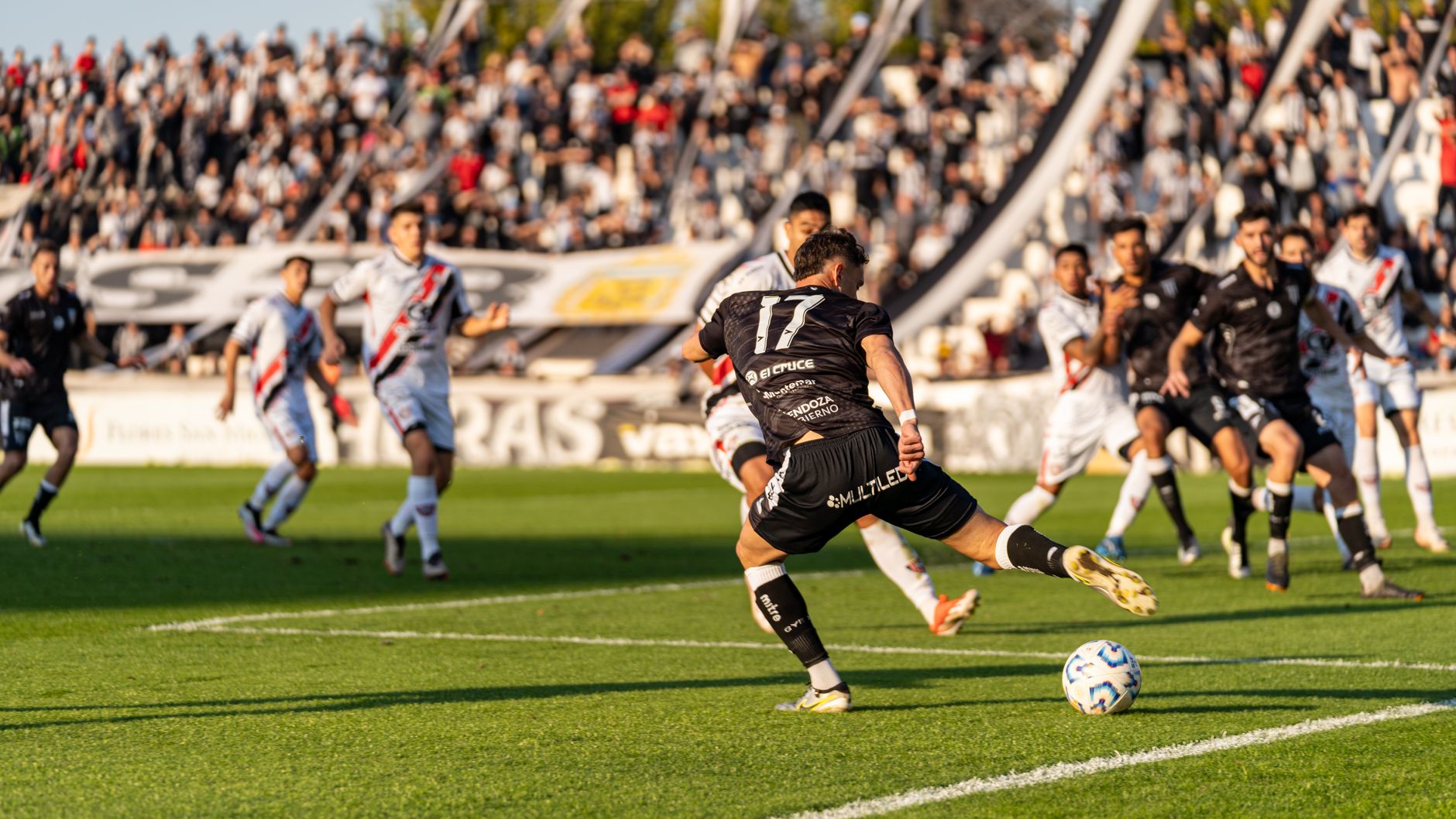
Photo by Franco Monsalvo on Pexels
For a more disciplined match-by-match approach, use Stadium View to compare tactical context with market movement.
If you watch football today for World Cup 2026: should you trust fixture lists alone?
No, fixture lists alone are incomplete for World Cup 2026 because they rarely explain tactics, rotation, group-stage incentives, travel fatigue, or player workload. A match schedule tells you when teams play, not how urgently or effectively they are likely to perform.
This matters because FIFA World Cup 2026 is not a normal tournament. According to Wikipedia, the tournament will expand to 48 teams and be hosted by Canada, Mexico, and the United States. That expansion changes the daily football rhythm: more teams, more fixtures, more unfamiliar matchups, and more opportunities for casual fans to overreact to surface-level information. Stadium View’s editorial position is that the larger tournament rewards preparation, not guesswork.
A fixture list may show a glamorous matchup, but the tactical question could be much quieter. Is one team protecting a draw? Is a coach managing yellow-card risk? Is a high-pressing side playing in heat after a short turnaround? Those details can matter more than brand name. For example, a group-stage favorite might dominate possession but still avoid risk if goal difference is already favorable. Conversely, a smaller nation chasing qualification may play aggressively enough to create both scoring chances and defensive exposure. That is where football today analysis becomes more valuable than a basic schedule.
If you track college football today: do you understand the schedule format?
Yes, college football schedules require a different reading method because they are organized by weeks, conferences, TV partners, venues, and odds. A daily match list is useful, but the larger weekly context often explains why a line or matchup looks unusual.
ESPN’s 2026 college football schedule format is a good example. It separates the season into Week 1 through Week 15, followed by Bowls and the College Football Playoff window, with conference filters such as ACC, Big Ten, SEC, Big 12, Mountain West, Sun Belt, Ivy, SWAC, and more. That structure is not decorative. It tells you whether a game belongs to early-season calibration, conference pressure, postseason positioning, or bowl motivation.
The contrarian point is that “football today” does not mean one sport, one calendar, or one logic. FIFA World Cup matches, Premier League fixtures, NCAA football games, and friendlies behave differently. A neutral-site college game in Dublin, such as North Carolina versus TCU at Aviva Stadium, should not be evaluated the same way as a home game at Los Angeles Memorial Coliseum. Likewise, a CBSSN listing at the Fargodome for Jacksonville State at North Dakota State carries different travel and environment implications than a major-network broadcast from USC. For NCAA structure, the NCAA remains the primary institutional reference.

Photo by Allen Boguslavsky on Pexels
If you compare football codes and competitions often, save our [Internal Link: football today competition comparison guide] for a cleaner daily workflow.
Common pitfalls to avoid
The biggest football today mistake is confusing availability with importance. A match being televised on NBC, listed on CBSSN, marked watchable, or shown in a live filter does not automatically mean it is the best match to bet, watch, or analyze. Broadcast visibility reflects rights and audience demand, not necessarily tactical value. In fact, lower-profile matches sometimes offer cleaner information because public sentiment is weaker and market overreaction is less aggressive.
Avoid these common errors:
- Treating today’s schedule as a prediction.
- Ignoring time zones and venue location.
- Betting favorites because the spread looks authoritative.
- Forgetting that World Cup 2026 travel will affect preparation.
- Reading college football odds without checking conference and week context.
- Assuming live scores reveal match flow without watching tactical patterns.
- Chasing “live now” markets without pre-set staking rules.
A practitioner-level tip: build a daily football note with only five fields: kickoff time in your zone, venue, expected lineup risk, market number, and tactical reason to care. If you cannot fill all five fields, skip the match. That sounds conservative, but it prevents the most expensive habit in football today betting: manufacturing confidence because a fixture is available. Stadium View generally recommends passing on more matches than you play, especially during overloaded World Cup 2026 matchdays.
For better daily filtering, use Stadium View’s previews before deciding which matches deserve your attention.
The 30-day check-in
After 30 days of tracking football today, your goal should not be to prove you are smarter than the market. Your goal should be to find which information actually improved your decisions. Create a simple review covering match selection, closing line movement, missed time-zone errors, emotional bets, and whether your pre-match tactical notes matched the game. This habit is dull, but it is more useful than reading ten generic previews.
Use this 30-day review format:
- Count how many matches you watched versus merely tracked.
- Record how often your kickoff time was correct.
- Compare your predicted game state with the actual first 30 minutes.
- Note whether your bets beat or missed closing odds.
- Identify leagues or competitions where your knowledge is weakest.
The refined position is this: football today is not a single answer page. It is a decision system. OneFootball helps with live match discovery, ESPN helps with college football structure, FIFA anchors World Cup information, and Stadium View adds the interpretive layer fans need for World Cup 2026 tactics, predictions, and player data. The winning move is not to consume more fixtures. It is to filter harder, question louder, and act only when the schedule, market, and football logic point in the same direction.

Photo by www.kaboompics.com on Pexels
Ready to turn daily football information into sharper match judgment with Stadium View?
Frequently Asked Questions
Q: What does football today mean?
A: Football today means the current day’s football fixtures, live scores, broadcast information, and match context across competitions. It can include FIFA World Cup games, domestic league fixtures, college football schedules, friendlies, and live betting markets. The key is to treat it as a daily information hub, not as a prediction by itself.
Q: How do I check football today without missing kickoff times?
A: Check kickoff times by confirming the platform time, venue time, and your local time zone. Use match hubs such as OneFootball for daily listings and ESPN for college football schedule structure, then cross-check official competition pages when stakes are high. For World Cup 2026, this matters because matches will be spread across the United States, Canada, and Mexico.
Q: What is the difference between football today scores and football today predictions?
A: Scores show what is happening or already happened, while predictions estimate what may happen before or during a match. A live score may tell you a team is leading 1-0, but it will not explain whether that lead is deserved. Predictions require lineup news, tactics, venue context, odds movement, and motivation analysis.
Q: Is football today betting worth it?
A: Football today betting can be worthwhile only if you have a disciplined process and legal access to regulated markets. Blindly betting because a match is live or televised is usually a poor strategy. Focus on value, staking limits, and match context rather than trying to bet every available fixture.
Q: Why does my football today schedule show a different date?
A: Your schedule may show a different date because of time-zone settings, platform localization, or venue location. A match listed at 12:00 AM or 3:00 AM can shift between calendar days depending on where you live. Always check the match venue and convert kickoff time before watching or betting.
Q: How much does it cost to follow football today?
A: Following football today schedules is often free, but watching matches may require subscriptions, TV access, or streaming rights. Some platforms provide free live scores, while broadcasters such as NBC or CBSSN may require a cable, streaming, or regional package. Betting also requires a legal sportsbook account and responsible bankroll limits.
Q: What should I do if football today live data looks wrong?
A: If live data looks wrong, compare at least two reliable sources before acting. Refresh the app, check the official competition feed, and avoid placing live bets until the score, red cards, and match clock are confirmed. Data delays of even 30 to 60 seconds can materially affect live betting decisions.
Thank you for reading.
Stadium View · Editorial Vault